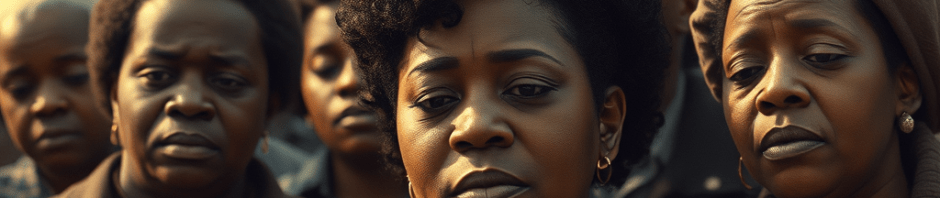
My first “political memory” is the assassination of the Reverend Doctor Martin Luther King Jr. when I was 7 years of age. I did not know exactly what had happened, and why this “good man” was assassinated, but I knew that the world had moved and shifted like tectonic plates during an earthquake, and that the aftershocks would be cataclysmic if not apocalyptic. That day, I remember the sad and somber mood of the adults, like they had lost a relative and, in a sense, they had, a brother, a father, a Native Southern Son. I remember their refrain: “They [later I would learn that ‘they’ were white folk] killed another good [Black] man.”
On that day, when MLK Jr. was assassinated, I became a poet. I learned the value and power of refrains. Since then, I have returned to that fateful day, in my writings, in my mind, and in my life, trying to make sense of it, hearing that refrain repeatedly, “They killed another good man.” My love of history was also born on that day.
American history is like a William Faulkner novel, complicated and convoluted, like The Sound and the Fury, with various points of view, with no true source of truth, only points of view. For example, some white Southerners have, till this very day, called the American Civil War “the War of Northern Aggression.” The point of view of slavers and segregationists have dominated most of American history, from 1776 until 1968, and beyond.
In today’s political conversations, we hear echoes of these points of view.
MLK Day became a national holiday under President Reagan in 1983. During Reagan’s administration, lowly white bureaucrats in the White House “joked” and…
…called the King
Martin Lucifer Coon.”
These devils demonizing
The Late Prince of Peace,
Part of the backlash,
Against Reconstruction,
Against Civil Rights,
Against Affirmative Action,
Against Black Power
Angry white men
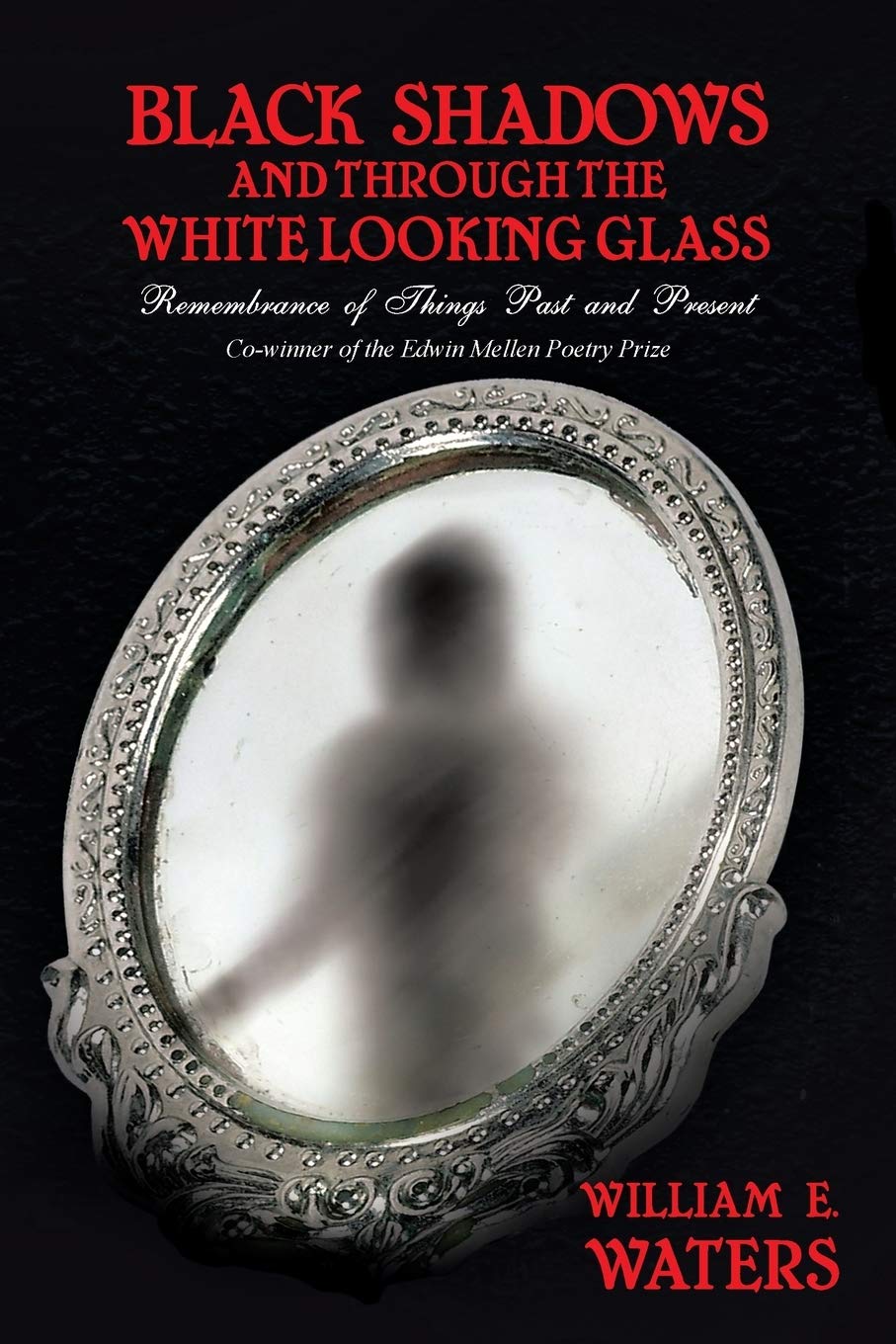
Rule world!From my award-winning epic poem, Black Shadows and Through the White Looking Glass: Remembrance of Things Past and Present.
https://www.amazon.com/Black-Shadows-Through-White-Looking/dp/1481722883
MLK Day was not recognized in all 50 states until 2000. Not surprisingly, a Southern State, South Carolina, was the last state to recognize MLK Day as a paid holiday for all state employees.
Recently, just the other day, in thinking about this upcoming MLK Day, I returned to 1968. I already knew that that year was the most important year in my life. In thinking about 1968, I mused about what had happened. In my world, the most significant and traumatic event was the assassination of MLK. On that day, the Civil Rights Era abruptly ended. In 1968, RFK was also assassinated. And Richard Nixon became president of the United States of America.
In musing about 1968, I did various Google searches. Not surprisingly, although this was the first time I had come across this idea, 1968 is considered the most traumatic year in American history.
Samuel Yette, the first Black national correspondent at Newsweek, wrote The Choice: The Issue of Black Survival in America (1982). In the book, Yette describes the 1960s as the Decisive Decade. It was the decade that broke the fabric of America forever, that it was self-evident that she would not live up to her founding principles, that “all men are created equal, and are equal before the law.” Not even the election of President Barack Obama fixed this fatal broken thread in the patchwork quilt of America, which is still frayed.
White Americans can talk about the “greatness” of America all they want, and not give Black folk any credit for America’s greatness, but if white folk, and all Americans, even those “crossing the borders” because they have heard the mythology America has propagated about her greatness throughout the land and they, too, want a piece of the American pie – if they want to understand the complicated and convoluted history of America, then they need only look at 1968, where the Great Society was upended by assassinations, and the inauguration of Richard Nixon as the 37th U.S. President.
We know that the stars have not aligned for America when we remember MLK Jr on the same day that Trump is installed to occupy the Oval Office once again.


 Easy Waters
Brother Eric! As always, your writing always has me saying…”AMEN!!!” I was 5 years old and vividly remember that awful day in April 1968. Like you, it was my first “political memory.” That was the day I learned that the world was far more serious than coming books and cartoons. When I went to Morehouse College I majored in history because of that day! And in my sophomore year, I wrote a paper on the assassinations of MLK and RFK and the election of Richard Nixon~all in 1968. I still have that paper more than 40 years later. So your post hits home in a deeply personal way. Thank you for writing~ your posts are a great gift for those wise enough to read them.
LikeLiked by 1 person